
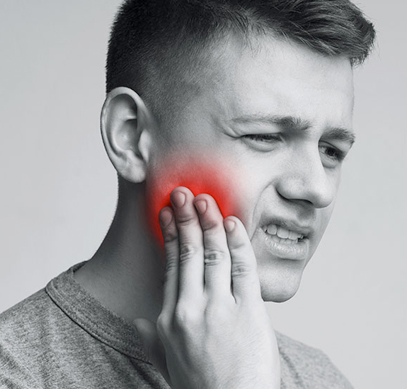
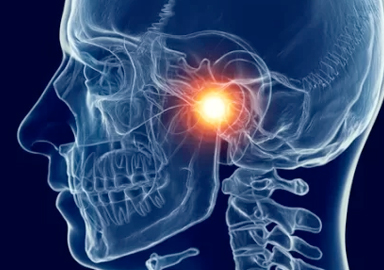
Where your jaw and skull meet is where your temporomandibular joints are located. Your TMJs and the muscles on each side of your jaw help you open and close your mouth, eat, talk, and swallow. These two joints may move in many ways and are among of the most complex in the body. They work in a delicate balance with your jaw bones, muscles, ligaments, and cartilage. When a problem stops these parts from working as they should, pain may result. The term "temporomandibular disorder," or TMD, refers to disorders that cause pain in the joint that controls the movement of the jaw. They are twice as common in women as in men.
How the TMJ is handled or treated depends on how serious the issue is. Many people with symptoms of TMJ condition are nonetheless able to do their daily activities without any issues. For some, the illness may resolve on its own, but for others, it may worsen over time.
For more information about TMD, contact Georgetown's Karas Dental Clinic right now.