
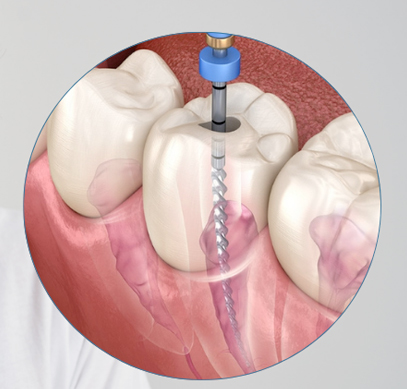
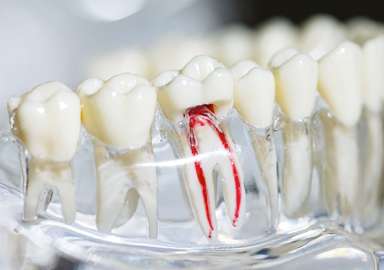
The tooth roots are housed in the root canals. The canals, which house the pulp and nerve, are located just under the tooth's core. The cavity that results after removing the decay, pulp, and nerve is cleaned and sealed during a root canal procedure.
If there is significant damage to the tooth, the pulp must be removed. Bacteria grow within the pulp and infect the tooth roots and surrounding soft tissues if treatment is not received. Typically, a root canal requires many visits. To restore the tooth to full function and shield it from harm, the last stage of the operation may need further repair, usually using a crown or a crown post.
The procedure of extracting diseased, damaged, or dead pulp from your tooth is called root canal therapy, often referred to as endodontic therapy. The root canal system is the area inside each tooth's hard layers. Your tooth's growth and development are aided by the soft dental pulp, which is composed of blood vessels and nerves. Your tooth may become abscessed if bacteria (germs) get inside via deep cavities, fractures, or defective fillings. A tooth with a pulp infection is said to be abscessed. Pulp must be removed if it gets diseased. Pain and/or swelling might be symptoms of an abscessed tooth. A dental x-ray or other changes to the tooth may reveal the infection to your dentist. An abscessed tooth may lead to major issues with oral health if treatment is not received.
One or two visits to our Georgetown dentist office may be required for a root canal procedure. For the first week or two after root canal therapy, your tooth could feel sensitive. Severe discomfort or edema are uncommon. Contact your Georgetown dentist if this occurs. Even after having a root canal, cavities and gum disease may still occur. Receiving a root canal does not shield your tooth from further harm. The tooth may live as long as your other teeth if you take good care of it and see your Georgetown dentist on a regular basis. A tooth that has had a root canal procedure may usually be salvaged. Nevertheless, there are instances in which every effort has been made to save a tooth, and the tooth still must be taken out.
For more information on Root Canals, contact Karas Dental Clinic in Georgetown today.